The Art of Authenticity: Understanding the Value of Katana Swords
The katana is not just a weapon; it is a symbol of Japanese culture, craftsmanship, and the samurai spirit. Renowned for its distinct design and superior functionality, the katana has captured the imagination of enthusiasts and collectors around the world. However, the journey to uncover what makes a katana sword authentic and valuable is both intricate and enlightening. This exploration encompasses the historical significance of the katana, the artistry involved in its creation, and the elements that contribute to its worth in the modern market.
For centuries, the katana has been revered not only as a tool for combat but also as a masterpiece of art that embodies the spirit of the samurai. Each katana tells a story, from its forging in the fires of a traditional smithy to its eventual ownership by a warrior or collector. Understanding what makes a katana authentic involves delving into the nuances of its construction, the materials used, and the techniques employed by skilled artisans. This knowledge is essential for anyone looking to appreciate these swords, whether for personal use, collection, or investment.
The significance of authenticity cannot be overstated when it comes to katana swords. In a market flooded with reproductions and forgeries, discerning the genuine from the fake is crucial. This article aims to guide readers through the key elements that define the authenticity and value of a katana sword. We will explore various aspects, including the craftsmanship involved, the materials used, and the historical context that adds to a katana's desirability. By the end, enthusiasts and collectors alike will have a deeper understanding of why these swords hold such a cherished place in both history and modern culture.
Understanding the Craftsmanship Behind Katana Swords
The craftsmanship of katana swords is a meticulous process that requires years of training and expertise. Traditional katana-making, known as nihonto, involves a series of intricate steps that transform raw materials into a weapon of unparalleled quality. The process begins with the selection of high-quality steel, often referred to as tamahagane, which is produced from iron sand through a unique smelting process. This steel is notable for its purity and ability to hold a sharp edge, making it an ideal foundation for katana construction.
Once the steel is sourced, it undergoes a delicate forging process. Skilled artisans, known as tosho, use a combination of heating, hammering, and folding techniques to create the blade. Folding the steel multiple times not only enhances its strength but also allows for the creation of distinctive patterns known as hada. This process results in a blade that is not only functional but also visually stunning, showcasing the unique characteristics of each sword. The craftsmanship involved in this phase is what differentiates an authentic katana from mass-produced replicas.
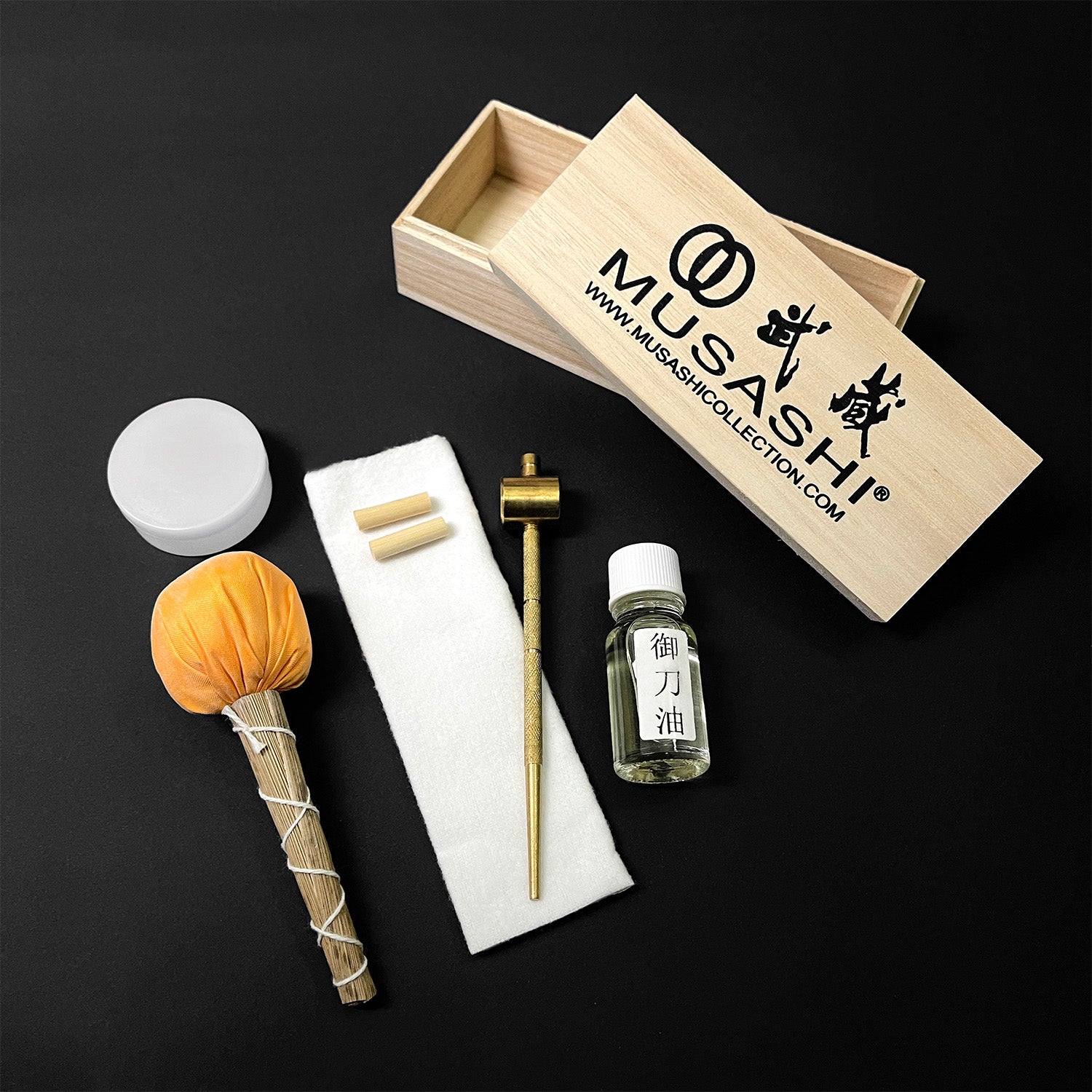
In addition to the forging process, the shaping and finishing of the blade play a crucial role in determining the katana's value. The edge, or ha, must be meticulously sharpened to achieve the razor-like quality that defines a katana. The curve of the blade—known as tori—is also carefully shaped to ensure optimal performance in combat. This attention to detail reflects the dedication of the craftsmen and significantly impacts the sword's overall quality and authenticity. Musashi Sword Deals
The Importance of Materials in Katana Construction
The materials used in constructing a katana are fundamental to its authenticity and value. As mentioned, the core steel, tamahagane, is a crucial component, but the choice of other materials contributes significantly to the sword's overall quality. The habaki, a metal collar that secures the blade within its scabbard, is typically made from brass or copper, which not only adds to the aesthetic appeal but also serves a practical purpose in preventing moisture from reaching the blade.
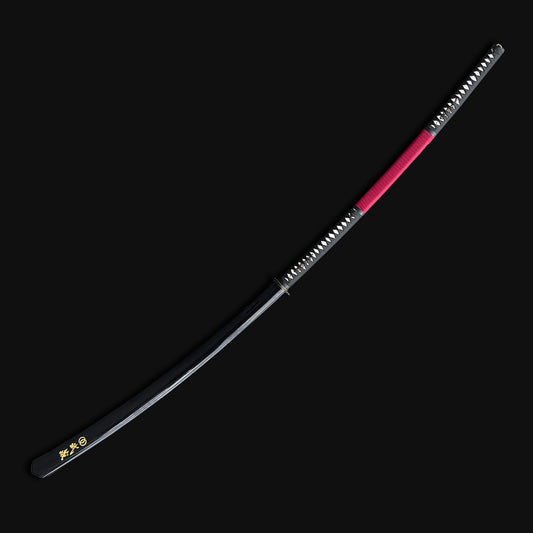
Another critical material is the wood used for the handle or tsuka. Traditionally crafted from high-quality woods such as shitan or ho, the handle is often wrapped in tsuka-ito, a type of cord that provides grip and comfort. The quality of these materials directly influences the handling characteristics of the sword, making it easier to wield and control during use. Collectors should always consider the materials used in a katana, as they are indicative of the sword's authenticity and value.
Examining the Blade's Features
The blade of a katana is not merely a cutting tool; it is an embodiment of the smith's artistry and skill. Key features of a katana blade include the nagasa (blade length), kissaki (tip), and bohi (grooves) that can enhance the sword's performance. The nagasa is typically around 2 to 3 feet long, which allows for both power and precision. The kissaki varies in shape depending on the sword's intended use and can significantly influence the sword's handling and aesthetics.
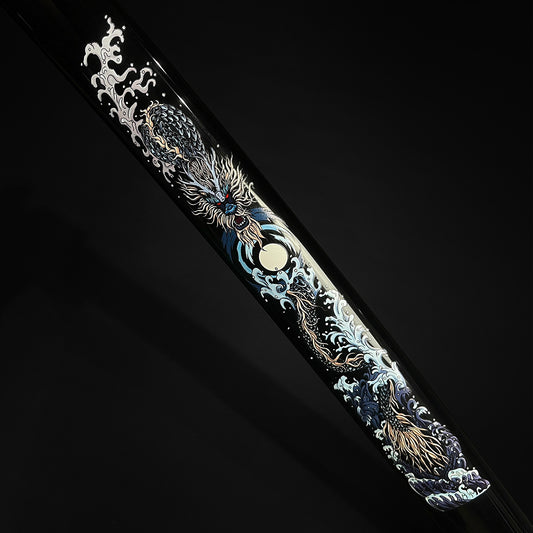
The presence of a hamon, or temper line, is another important feature that signifies a katana's authenticity. This line is a result of the differential hardening process during forging and varies in appearance, reflecting the smith's unique style. A visible and well-defined hamon can greatly increase a katana's value, as it indicates a high level of craftsmanship. Collectors often seek blades with distinctive hamon patterns for their visual appeal and historical significance.
Historical Context and Its Impact on Value
The historical context of a katana significantly influences its value. Swords made during specific periods in Japanese history, such as the Kamakura or Muromachi periods, are often more sought after due to their rarity and the historical events surrounding their creation. These periods were marked by notable advancements in sword-making techniques, which contributed to the development of the katana as we know it today. Understanding the timeline of katana production can provide collectors with insights into the historical significance of a particular sword.
Moreover, the provenance of a katana—its history of ownership—adds to its allure and value. Swords that were owned by notable figures, such as samurai warriors or military leaders, are often considered more valuable due to their connection to history. Documentation or certificates of authenticity that trace a sword's lineage can significantly enhance its market value. Collectors should prioritize purchasing swords with established provenance to ensure their investment's worth.
Market Trends and Collectability
The market for katana swords has evolved significantly in recent years, with a growing appreciation for authentic pieces. As demand increases, so does the value of high-quality swords. Collectors should be aware of current market trends, as certain types of katana, like those with historical significance or exceptional craftsmanship, are particularly sought after. Additionally, limited-edition releases from reputable makers can also fetch high prices.
Participating in sword shows, auctions, and online marketplaces can provide collectors with opportunities to acquire unique pieces. Networking with other enthusiasts and experts in the field can also lead to valuable insights and potential acquisitions. Collectors should remain vigilant about market fluctuations and be prepared to act quickly when a desirable piece becomes available. The right knowledge and timing can make all the difference in securing a valuable katana.
The Role of Authenticity in Pricing
Authenticity is a paramount factor influencing the pricing of katana swords. In a market where forgeries and reproductions are prevalent, distinguishing genuine swords from replicas is essential. Authentic katana swords are often accompanied by certificates of authenticity or documentation that verify their origins. Swords without proper documentation may see reduced value, as collectors are wary of potential forgeries. Musashi Swords Shop
Pricing also varies significantly based on the sword's condition. A well-preserved katana with minimal wear will command a higher price than one that shows signs of extensive damage or restoration. Collectors should assess the overall condition of a sword, examining aspects such as the blade, handle, and fittings, to determine its market value accurately. Having a qualified appraiser evaluate a katana can provide valuable insights into its authenticity and price.
Understanding the Market for Replica Swords
While authentic katana swords hold significant value, the market for replica swords has also seen considerable growth. Replicas, often aimed at enthusiasts and martial artists, can be more affordable alternatives for those who wish to experience the katana without the financial burden of an authentic piece. However, it is essential to recognize that replicas do not carry the same historical significance or craftsmanship as authentic swords.
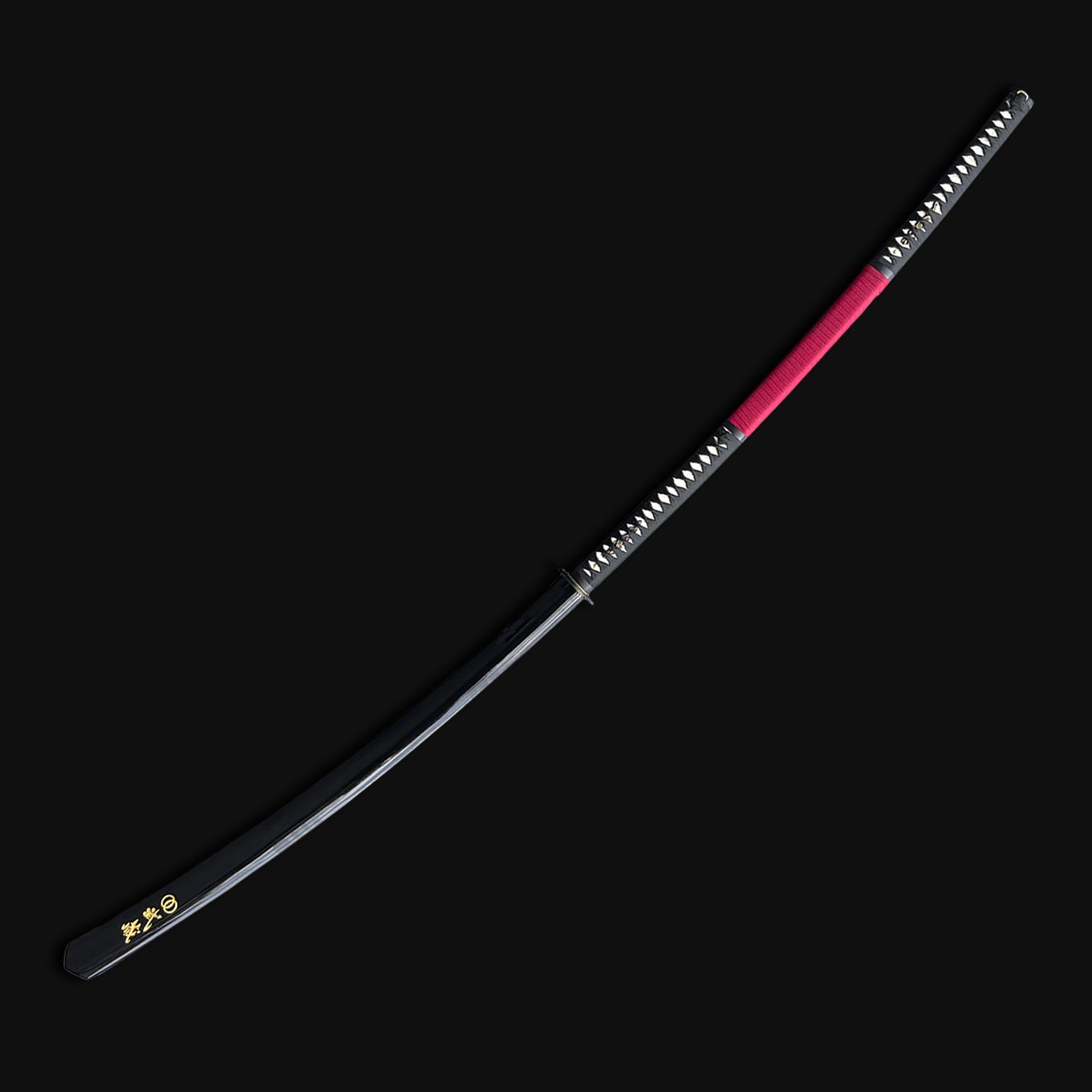
Collectors and enthusiasts should be cautious when purchasing replicas, as there is a wide range of quality available. Some replicas are crafted with attention to detail and can serve as excellent training tools, while others may be poorly made and not suitable for use. Understanding the differences between authentic katana and replicas can help buyers make informed decisions and avoid potential pitfalls. Musashi Swords Shop
Table of Key Features and Values
| Feature | Description | Impact on Value |
|---|---|---|
| Material | High-quality tamahagane steel used in forging | Increases value due to superior quality and performance |
| Hamon | Visible temper line indicating craftsmanship | Distinctive hamon patterns enhance desirability and value |
| Provenance | Documented history of ownership | Significant impact on value due to historical connections |
| Condition | Overall state of the sword, including blade and fittings | Well-preserved swords command higher prices |
| Period | Timeframe of production (e.g., Kamakura, Muromachi) | Historical significance can greatly influence value |
This table summarizes the key features that contribute to the authenticity and value of katana swords. Each element plays a critical role in assessing the sword's worth and should be carefully considered by collectors and enthusiasts alike.
Pros and Cons
- Pros:
- Authentic katana swords are highly valued as collectibles, often appreciating in value over time due to their historical significance and craftsmanship.
- Owning a katana can provide a deep appreciation for Japanese culture and the art of sword-making, enriching the collector's experience.
- Authentic swords can serve as functional weapons, suitable for martial arts training and demonstrations, showcasing their practical use.
- Each katana tells a unique story, making them not just weapons but also pieces of art that can be passed down through generations.
- Cons:
- Authentic katana swords can be quite expensive, making them a significant investment that may not be affordable for all collectors.
- The market is flooded with replicas and forgeries, making it challenging for newcomers to distinguish between genuine and fake swords.
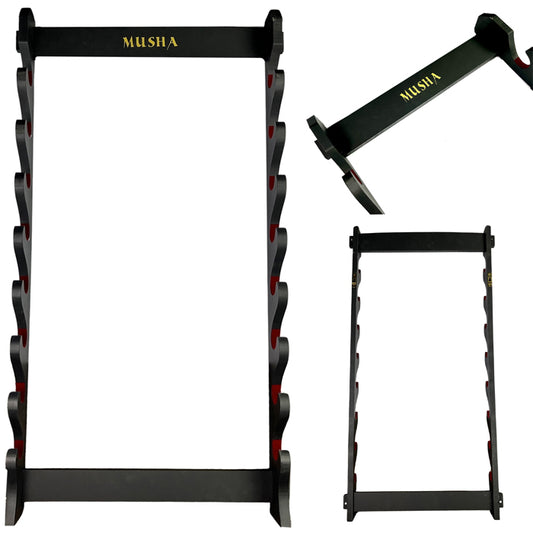
- Maintaining an authentic katana requires careful handling and storage, as improper care can lead to damage and devalue the sword.
In weighing the pros and cons, it's clear that while authentic katana swords offer significant value and cultural appreciation, the challenges of entry into the market can be daunting. Collectors must navigate the complexities of authenticity, pricing, and maintenance to ensure their investments are sound. With proper knowledge and diligence, however, the rewards of owning an authentic katana can be significant.
Frequently Asked Questions
- What are the main characteristics of an authentic katana?
An authentic katana typically features high-quality tamahagane steel, a well-defined hamon, and a history of craftsmanship. The blade's shape, curve, and finish also play crucial roles in determining authenticity. Additionally, the quality of materials used in the handle and fittings contribute to the sword's overall value.
- How can I verify the authenticity of a katana sword?
To verify authenticity, examine the sword's features, including the hamon, materials, and craftsmanship. Look for certificates of authenticity or documentation tracing the sword's lineage. Consulting with an expert appraiser can also provide valuable insights into the sword's authenticity and value.
- Are replica katana swords worth collecting?
While replica katana swords can be valuable for training purposes and aesthetic appreciation, they generally do not hold the same value as authentic pieces. Collectors interested in replicas should focus on quality and craftsmanship, as some replicas can be well-made and visually appealing.
Conclusion
Understanding the authenticity and value of katana swords requires a comprehensive exploration of their craftsmanship, historical context, and market dynamics. The meticulous artistry involved in creating a katana, from the selection of high-quality materials to the final finishing touches, underscores the significance of these swords in both historical and cultural contexts. Collectors must navigate the complexities of authenticity, pricing, and maintenance to ensure their investments are sound. Ultimately, the journey of acquiring a katana is not just about ownership but also about appreciating the rich heritage and artistry that these remarkable swords represent. Whether for martial arts practice, display, or as a collectible, the katana remains an enduring symbol of craftsmanship and cultural significance.


